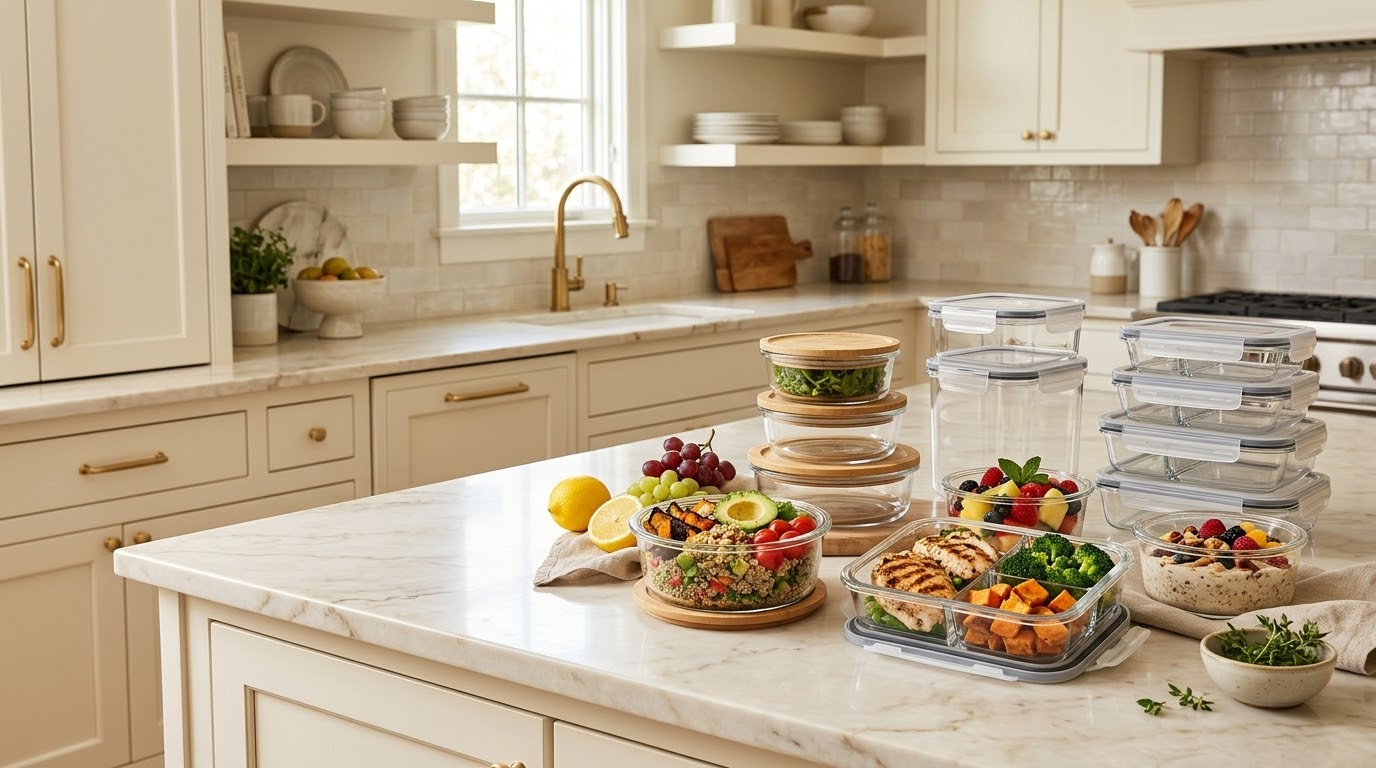
A well-organized kitchen starts with the essentials you use every day. Whether you’re preparing lunches for the week, storing leftovers from dinner, or keeping ingredients fresh, the right food storage containers can make your routine easier.
But with so many sizes, materials, and designs available, how do you choose the right set?
In this guide, we’ll explore the main types of food storage containers, the features worth looking for, and practical options for different kitchens and budgets.
Affiliate disclosure: As an Amazon Associate I earn from qualifying purchases. This means I may earn a commission from eligible purchases made through links in this article, at no additional cost to you.
What to Look for in Food Storage Containers
Before buying a new set, consider how you’ll use it. The best containers are the ones that fit your meals, storage space, and daily routine.
– Secure lids: Tight-fitting lids help prevent spills and protect food from exposure to air.
– Useful sizes: Choose a variety of sizes for full meals, snacks, sauces, and leftovers.
– Easy cleaning: Look for containers with smooth interiors and lids that are easy to wash thoroughly.
– Stackable designs: Stackable containers help maximize refrigerator and cabinet space.
– Temperature compatibility: Check whether each container is suitable for the microwave, freezer, dishwasher, or oven before using it.
1. Glass Food Storage Containers
Glass containers are a popular choice for storing leftovers and preparing meals in advance. They resist staining from many foods and are convenient for reheating when the specific container is labeled microwave-safe.
Best for: Leftovers, batch cooking, and people who prefer reusable containers with a substantial feel.
What to consider: Glass is heavier than plastic and can break if dropped. Check whether the lids are airtight and whether the glass is suitable for your intended use.
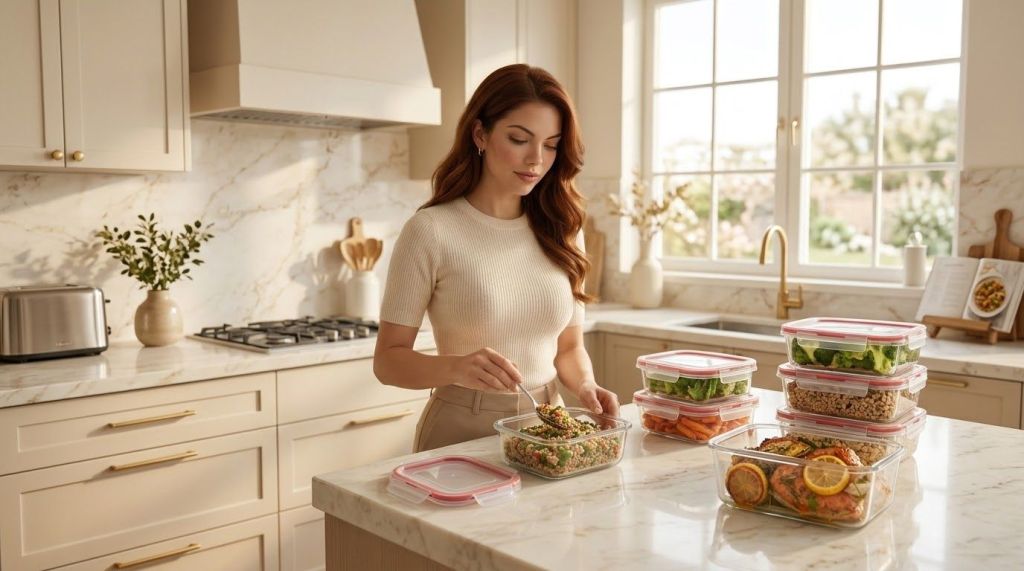
Shop glass food storage containers
2. Plastic Food Storage Containers
Plastic containers are lightweight, easy to carry, and often available in affordable sets. They work well for everyday leftovers, lunches, and organizing smaller portions.
Best for: Budget-conscious households, packed lunches, and lightweight storage.
What to consider: Some plastics may stain or retain odors, particularly after storing tomato-based sauces or strongly flavored foods. Follow the manufacturer’s instructions for microwave and dishwasher use.
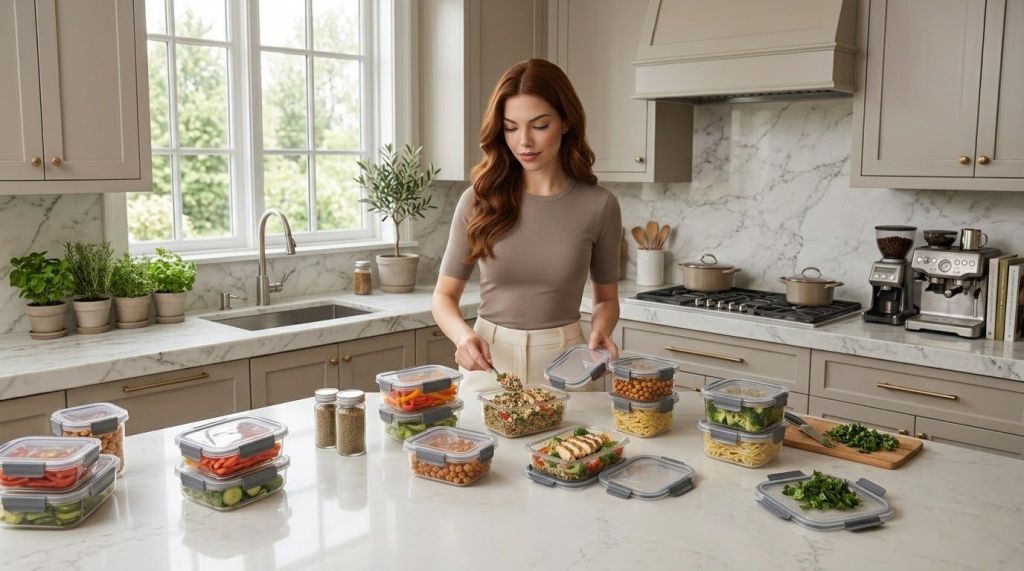
Shop plastic food storage containers
3. Divided Meal Prep Containers
Divided containers feature separate compartments that keep different foods apart. They’re useful for preparing lunches ahead of time and organizing meals with several components.
Best for: Work lunches, portioned meals, and weekly meal preparation.
What to consider: Check the total capacity, compartment sizes, lid security, and whether the containers are reusable or intended primarily for short-term use.
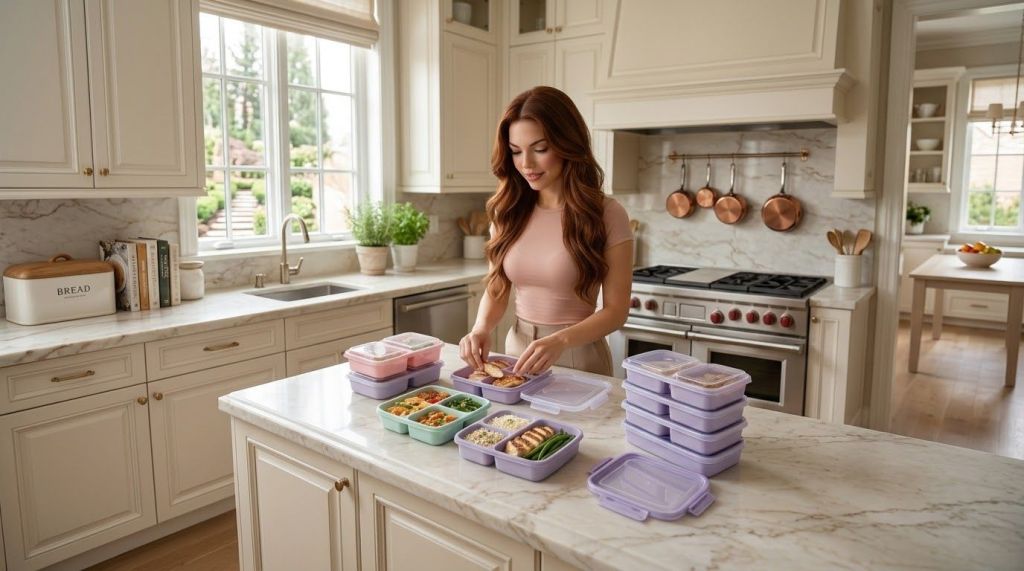
Shop divided meal prep containers
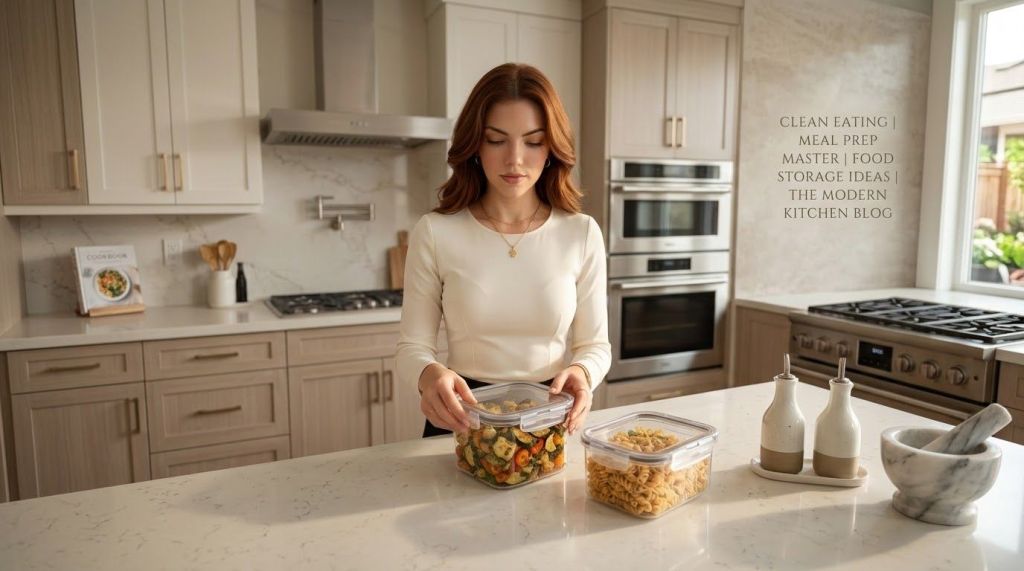
4. Airtight Containers for Leftovers
Containers with secure seals are useful for storing soups, sauces, cooked grains, and other leftovers. A good seal can help limit spills and exposure to air, although performance varies by design.
Best for: Everyday leftovers and foods that need a secure closure.
What to consider: Look for lids that close easily and seals that can be removed and cleaned when the manufacturer allows it. Never assume a container is leakproof without checking its specifications.
Shop airtight food storage containers
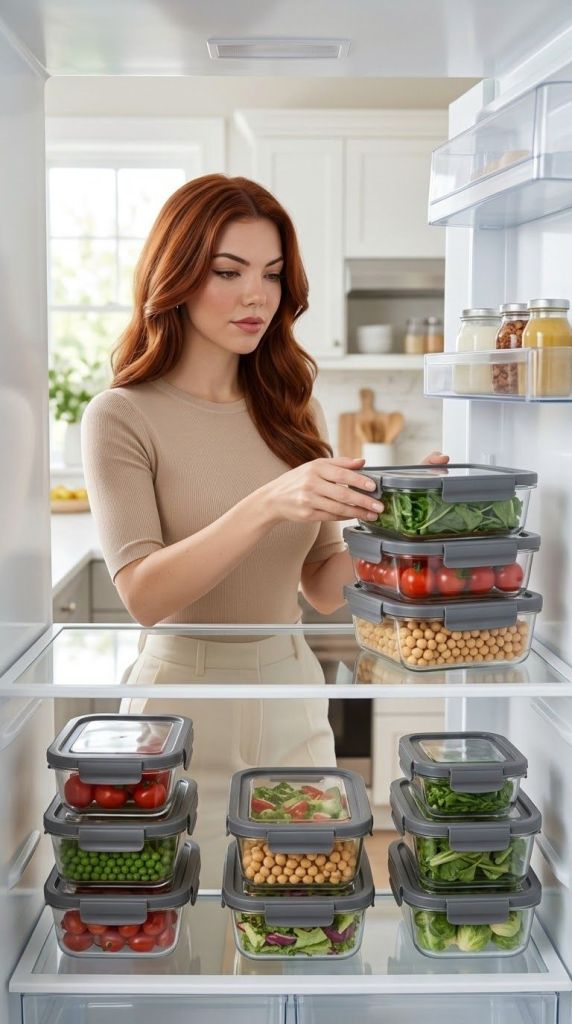
5. Stackable Food Storage Sets
Stackable sets help create a tidier refrigerator and make better use of limited cabinet space. Matching shapes and sizes can also make it easier to keep lids organized.
Best for: Small kitchens, crowded refrigerators, and anyone who wants a more organized storage system.
What to consider: Look for sets with practical size combinations and containers that nest together when empty.
Shop stackable food storage sets
How to Choose the Right Containers for Your Kitchen
Not every household needs a large collection of containers. Start with the way you actually cook and eat.
– For weekly meal prep: Choose several matching containers with enough capacity for your usual meals.
– For leftovers: Look for medium and small containers with secure lids.
– For a small kitchen: Prioritize stackable or nesting designs.
– For carrying lunches: Consider lightweight containers with reliable closures.
– For reheating: Check the manufacturer’s microwave-safety instructions for both the container and its lid.
A smaller, well-chosen set can be more useful than a large collection of containers you rarely use.
Tips for Keeping Food Storage Organized
A few simple habits can help keep your kitchen tidy:
1. Match each container with its lid before putting it away.
2. Store similar sizes together.
3. Label leftovers with the food name and date.
4. Refrigerate perishable food promptly and follow food-safety guidance for storage times.
5. Inspect containers and lids regularly for cracks, warping, or damaged seals.
Final Thoughts
The best food storage containers are practical, easy to clean, and suited to your daily routine. Glass can be a great choice for many leftovers, plastic can offer lightweight convenience, and divided containers can simplify meal prep.
Before purchasing a set, compare its sizes, materials, closures, care instructions, and price. Choosing thoughtfully can help you create a kitchen storage system that works for your home without unnecessary clutter.
Explore more everyday kitchen finds: Visit our “Home & Kitchen category” for more practical recommendations and organization ideas.


